Autonomous EW and the Maryland Demand for Cleared AI Engineers
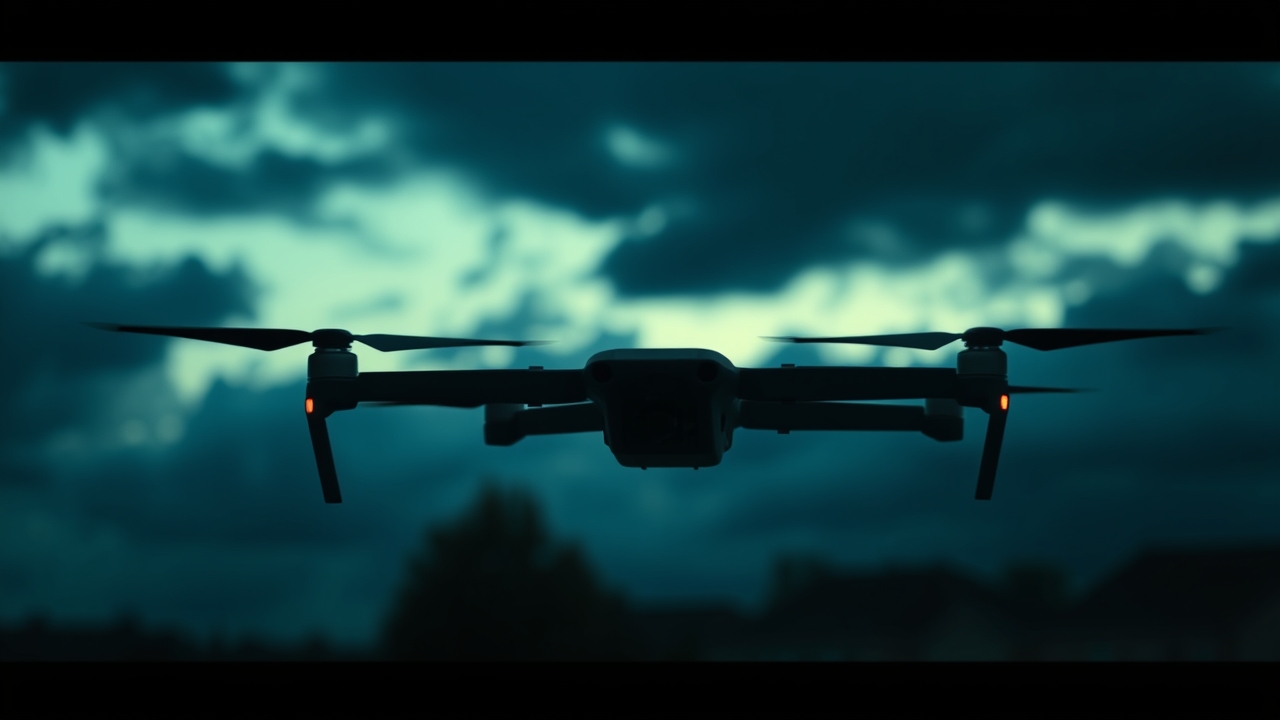
On July 21, 2026, Intelligence Community News reported on a significant milestone: L3Harris Technologies and Shield AI successfully completed the first flight test of their Distributed Spectrum Collaboration and Operations (DiSCO) system, powered by Shield AI’s Hivemind mission-autonomy software. This demonstration, featuring autonomous unmanned aircraft systems (UAS) detecting and responding to electromagnetic threats, isn't just a technical achievement; it signals a critical inflection point for the cleared labor market around Fort Meade.
This flight test confirms the escalating demand for cleared engineers proficient in advanced artificial intelligence, autonomous systems, and electromagnetic warfare. What most coverage will miss is the acute labor market consequence: a concentrated hiring spree for highly specialized talent that will intensify competition in the Maryland Customer ecosystem, further tightening a market already constrained by unique clearance and access requirements.
The L3Harris/Shield AI flight test highlights a growing, urgent need for cleared AI, autonomy, and EW engineers. This specialized demand, combined with the geographic anchoring and SCIF Tax of Maryland Customer work, means companies need to move fast and strategically to capture talent in an already tight market.
The Tactical Edge: Why This Test Accelerates Demand for Specific Cleared Skills
The DiSCO system, combined with Hivemind autonomy, represents a leap in autonomous electronic warfare. Unmanned systems detected, analyzed, and responded to threats without human intervention, autonomously rerouting follow-on UAS through safe operating zones. This isn't just about faster data processing; it's about compressing the sensor-to-decision cycle, as Christian Gutierrez, senior vice president for Hivemind at Shield AI, noted in the Intelligence Community News report.
This capability is precisely what is meant by the tactical edge, where milliseconds can mean the difference between mission success and failure. The integration of DiSCO and Hivemind isn't just about faster processing; it's about shifting the paradigm of warfare from human-in-the-loop to human-on-the-loop, where autonomous systems handle routine and dangerous tasks, freeing human operators for higher-level strategic decisions. This demands an entirely new class of engineering talent.
Specifically, the demand will spike for cleared engineers proficient in advanced AI/ML algorithms for real-time threat identification and response, robust autonomy frameworks for complex mission execution in contested environments, and sophisticated electronic warfare systems that can adapt and learn. This includes specialists in sensor fusion, predictive analytics, reinforcement learning, software-defined radios, and resilient multi-agent systems. Furthermore, the secure deployment and maintenance of these capabilities necessitate expert MLOps and DevSecOps engineers who understand the unique constraints of classified environments.
The urgency stems from the dual challenge: the novelty of these integrated AI/autonomy/EW systems means a shallow talent pool, and the strict clearance requirements further shrink it. Companies cannot afford to wait for this talent to materialize organically; proactive recruitment and retention strategies are paramount.
In essence, the L3Harris/Shield AI flight test isn't just a technical milestone; it's a strategic bellwether. It signals a new era of defense capability driven by autonomous, cognitive EW, and a concomitant, immediate need for an elite force of cleared engineers. For organizations aiming to secure pivotal contracts and maintain a competitive edge within the Maryland Customer ecosystem, understanding and aggressively addressing this specialized talent gap is no longer optional - it is fundamental to future success.
Want the deeper scoop on the cleared market?
Our services dig past the headlines on cleared hiring — built for engineers reading the market and for teams hiring inside it.